Sep 12, 2025
Microsoft Ads server-side tracking explained
Written by
Uliana Lesiv
Updated Sep 2, 2026 comments
Microsoft Ads now supports server-side tracking through its official Conversion API (CAPI). This means you can send conversion data directly from your server to Microsoft Ads – the same way you would with Meta or Google Ads.
In this article, we'll cover how Microsoft server-side tracking works, what options are available, and how to choose the right setup for your needs.
What do marketers mean by Bing or Microsoft server-side tracking?
When marketers ask about Microsoft (Bing) server-side tracking, they mean a method of data tracking that allows sending data on users' interactions to a cloud server owned by a business. After that, the data is routed to third-party vendors – in this case, Microsoft Ads. Acting as an intermediary, a cloud server connects a website (or other data source) with external tracking tools.
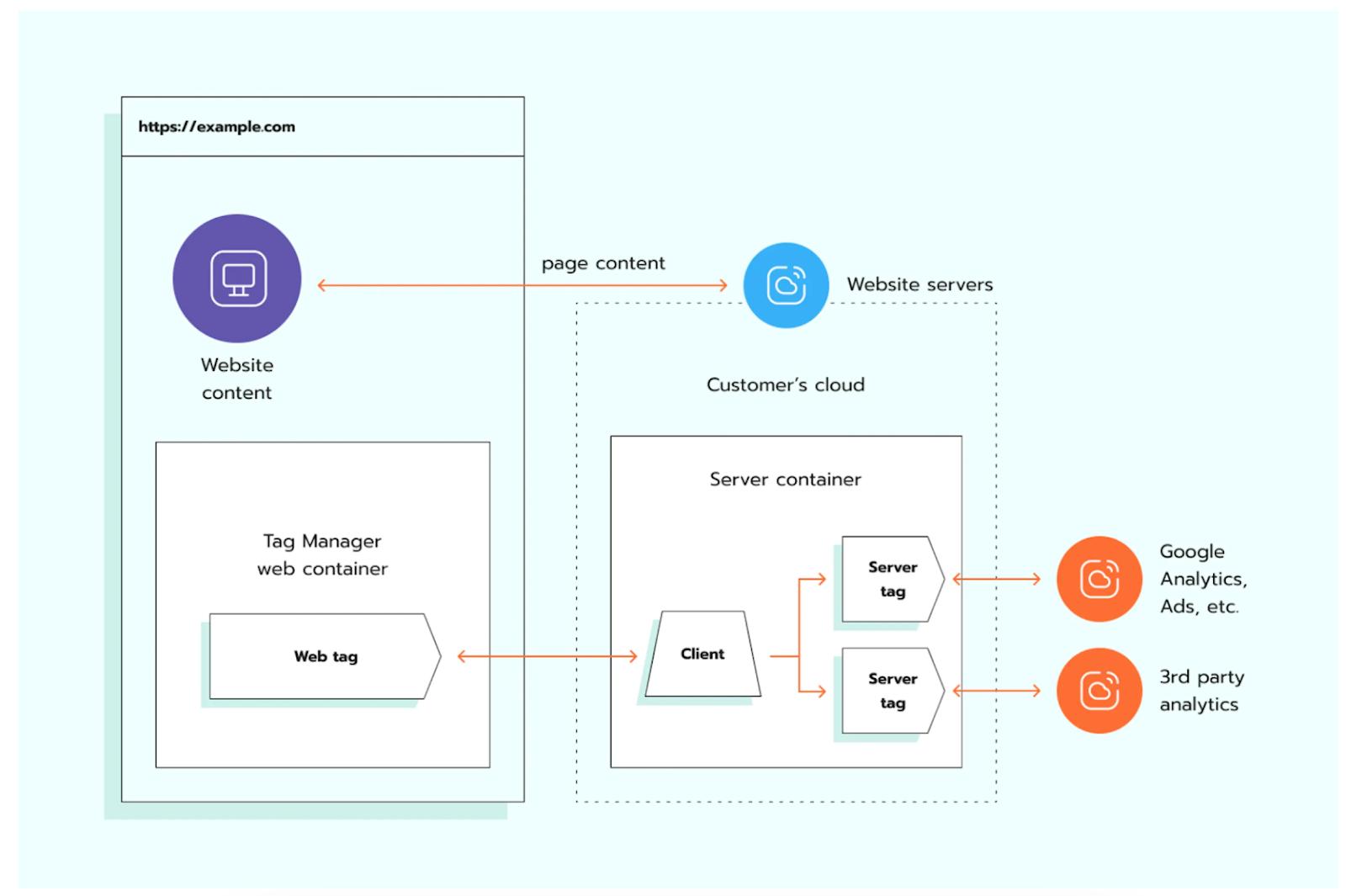
Microsoft server-side tracking options
There are now two ways to set up server-side tracking for Microsoft Ads:
Microsoft Conversion API (CAPI)
Microsoft has officially released its Conversion API, which allows you to send a server-to-server signal directly to Microsoft Ads. Microsoft CAPI can transmit the same events as Microsoft's JavaScript UET tag, but from your cloud server instead of through the browser.
To integrate Microsoft CAPI with server-side Google Tag Manager (GTM), you can use Stape's Microsoft Ads UET Conversion API tag. For the full setup guide, see our step-by-step guide on Microsoft Conversion API integration.
Microsoft Ads offline conversions tracking
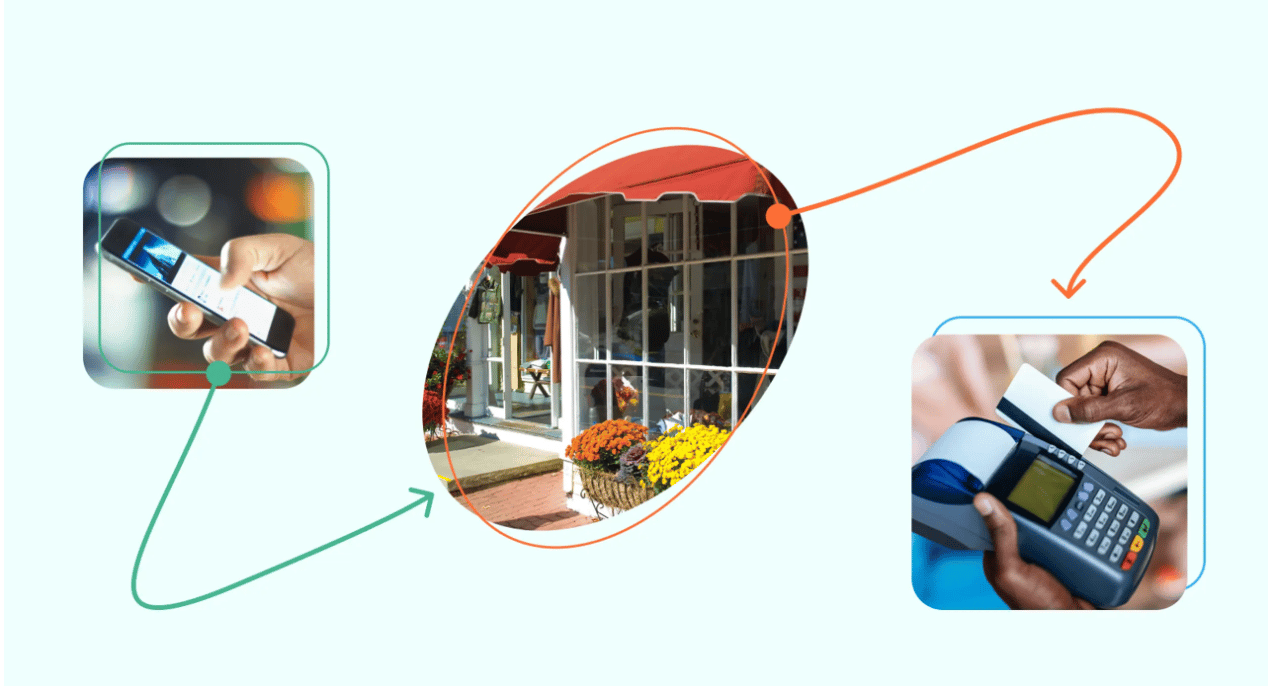
Before CAPI was available, offline conversion tracking was the main alternative for enriching Microsoft Ads data server-side. It's designed to capture and report conversions that occur outside the online environment, for example, in-store purchases resulting from an ad interaction.
It's still a valid option for specific use cases, but it comes with limitations:
- Offline conversions don't support view-through attribution;
- Some minor development work is required to capture the Microsoft Click ID (msclkid) and pass it from your CRM to sGTM via webhooks.
For the full setup, see our Microsoft Ads offline conversions tracking guide.
What is the Bing Ads API?
Bing API is a suite of APIs offered by Microsoft that lets developers integrate different functionalities into their websites or apps.
Here are some of the Bing API types:
| Bing API type | Description |
| Bing Web Search | Delivers ad-free, location-aware search results |
| Bing Image Search | Lets users explore the web for images, with direct URLs, metadata, and source details |
| Bing Custom Search | Offers access to a global search index with ranking, query suggestions, and relevant results |
| Bing Autosuggest | Enables intelligent type-ahead suggestions to help users complete queries faster |
| Conversion API | Sends conversion data directly from your server to Microsoft Ads |
Benefits of conversion tracking for Bing Ads
Microsoft offers the Universal Event Tracking (UET) tag, which records customer actions on your website. Combined with Microsoft CAPI or with the Microsoft Ads Offline Conversion tag for a server GTM container, it enables comprehensive conversion tracking with the following benefits:
- Measure campaign performance and ROI: understand which ads, keywords, campaigns, and landing pages drive the most conversions.
- Optimize ad campaigns: conversion data gives the insights needed to make informed decisions about bidding strategies, budget allocation, and targeting.
- Facilitate remarketing: conversion tracking lets you build remarketing lists to target users who visited your site or completed specific actions.
Please note:
In 2024, Microsoft launched its own version of Consent Mode. Like Google, it requires obtaining user consent before collecting data. We offer a comprehensive guide on how to configure consent management in Microsoft.
Bing Ads vs Google Ads server-side tracking
Often, advertisers run ads on multiple platforms, such as Google Ads and Microsoft Ads, simultaneously. When it comes to Google Ads, there is a wide range of options to track conversion data on the server side.
| Platform | Server-side tracking solution | Description |
| Google Ads | Server-side tracking setup via the server GTM | A flexible, highly customizable, and scalable solution if you need to set up server-side tracking for other platforms (Meta, Google Analytics 4, Snapchat). |
| Server-side tracking using Stape Gateway | It allows configuring server-side tracking for Google Ads and Google Analytics 4 only. | |
| Google offline conversion tracking | Track conversions from physical stores, calls, and other offline conversion sources. | |
| Google Ads adjustment tag | Modify data on conversions after they were made. For example, adjust data after returns or order cancellations. | |
| Microsoft Ads | Microsoft Ads offline conversions tag | Similarly to Google Ads, the tag enriches data with offline purchases. |
| Microsoft server-side tracking using server GTM | Set up server-side tracking using Stape’s Microsoft UET Conversion API tag. |
Conclusion
Microsoft Ads now supports full server-side tracking through its Conversion API, bringing it in line with platforms like Meta and Google Ads. For most setups, CAPI is the recommended approach – it's more accurate and more reliable than browser-based or offline tracking alone.
If your setup involves both online and offline conversions, combining CAPI with offline conversion tracking gives you the most complete picture.
Want to start on the server side?
Try for freeRecommended for you
Sep 16, 2026
Blog
Guide on Microsoft Bing Ads + improvement tips
Microsoft Ads is a cost-effective PPC platform. Learn campaign setup steps and top tips like negative keywords to optimize your Bing Ads performance.
Sep 12, 2025

Comments